


Waking up to unexpected breakouts can easily ruin our morning routine. We believe clear pores should be simple to achieve without using harsh chemicals. Our research helped us find the best clay mask for acne to keep your face looking fresh and balanced. We are excited to share our favorite picks with you today.
Throughout our testing journey, we have discovered that not all mud is created equal. Some formulas focus on intense oil absorption, while others prioritize soothing inflammation. By applying these products to various skin types within our team, we have narrowed down the field to five standout options that truly deliver on their promises of clearer skin.
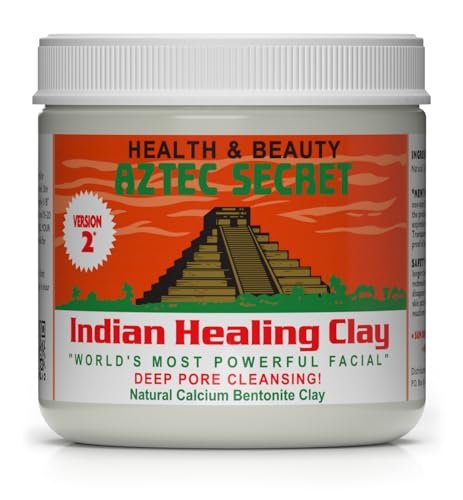
Aztec Secret– Indian Healing Clay 16 Oz Deep Pore Mask
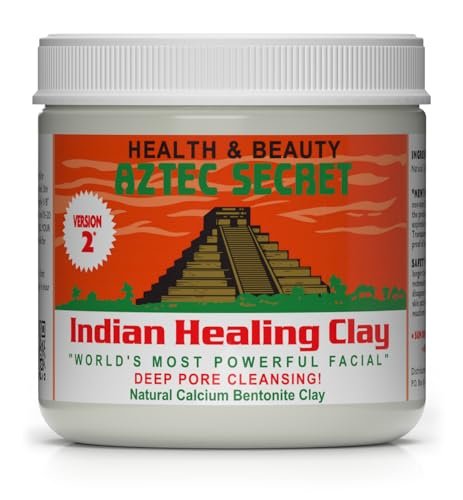
This powder requires a bit of DIY chemistry, which we found fascinating during our initial setup. The raw nature of the calcium bentonite means it physically pulsates on the skin as it dries, signaling a very high level of pore-clearing activity. We noticed that it works most efficiently when the pH is balanced with apple cider vinegar rather than plain water, creating a smooth, mousse-like consistency.
Ingredients: 100% Natural Calcium Bentonite Clay, Powder Form, Fragrance-Free, No Additives
PROS
– Powerful “pulsating” sensation indicates deep pore vacuuming
– Incredible value as a single jar lasts for dozens of applications
– Completely natural with no hidden chemicals or preservatives
– Versatile enough for body wraps and foot soaks
CONS
– Can be messy to mix and apply
– Potentially too intense for very dry or compromised skin
We Tested
We spent several weeks mixing this clay in glass bowls and applying it to our most congested areas. We found that the technical “pull” of the bentonite is unmatched, effectively drawing out oils that other masks missed. It left our skin temporarily red, but the clarity we saw the next morning was worth the brief irritation.
WHO SHOULD BUY THIS
We recommend this for the “skincare scientist” who wants the strongest possible deep clean and doesn’t mind a bit of prep work. It is the best choice for those with extremely oily skin types.
The Ordinary Salicylic Acid 2% Masque, Clarifying Charcoal Clay Mask
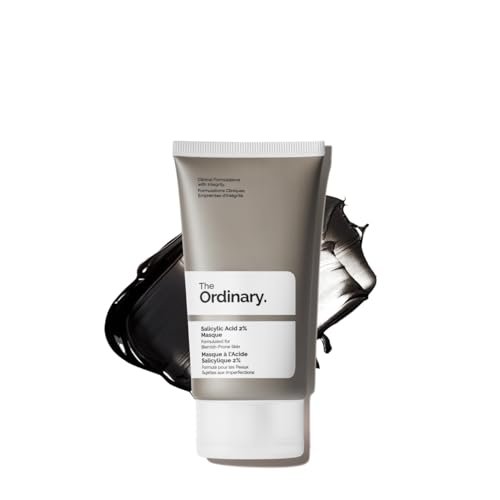
Our team was immediately struck by the deep, inky texture of this specific formula during our evening testing sessions. It spreads with a surprising silkiness that masks its high concentration of active acids. We observed that it doesn’t dry down into a cracking crust like traditional masks, making the removal process much gentler on our skin than we anticipated.
Key
PROS
– Combines chemical and physical exfoliation in one step
– Targeted nozzle makes it easy to apply to specific breakout zones
– Rinses off easily without heavy scrubbing
– Excellent at reducing the appearance of blackheads
CONS
– Small tube size compared to other options
– Not recommended for those with aspirin allergies
We Tested
During our testing, we applied this masque primarily to our T-zones where congestion was most visible. We found that the 10-minute limit is crucial; the salicylic acid works quickly to dissolve debris within the pores. After rinsing, our skin felt noticeably smoother and looked more radiant without the typical “clay tightness.”
WHO SHOULD BUY THIS
This is the best clay mask for acne for individuals who prefer a modern, scientifically-backed formula that targets blackheads and texture simultaneously.
New York Biology Dead Sea Mud Mask for Oily Skin
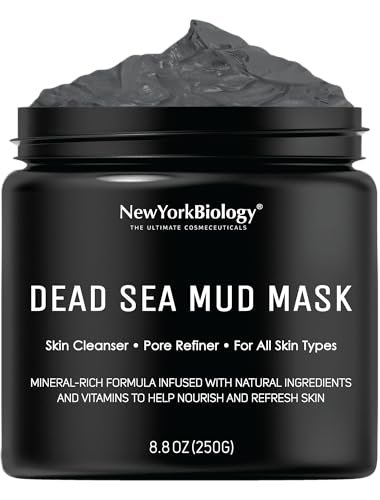
We turned to this mineral-rich option specifically to address the stubborn congestion that often plagues our skin after long weeks of wearing heavy makeup. The infusion of aloe vera and jojoba oil solves the common issue of clay masks leaving the skin feeling stripped and tight. We found it to be a reliable “reset button” for skin that feels overworked and grimy.
Main Ingredients: Dead Sea Mud, Aloe Vera, Calendula Oil, Vitamin E, Jojoba Oil
PROS
– Extremely creamy texture that feels like a luxury spa treatment
– Includes soothing botanicals to prevent over-drying
– Massive tub provides great longevity for the price
– Effective at calming active, red blemishes
CONS
– Has a distinct “earthy” scent that might not appeal to everyone
– Takes slightly longer to dry than thinner formulas
We Tested
We integrated this into our Sunday night routines to prepare for the week ahead. We noticed that the Dead Sea minerals provided a gentle tingling sensation that felt refreshing rather than painful. Unlike the more aggressive bentonite options, this mud left our faces feeling hydrated and “plump” even after the mask was washed away.
WHO SHOULD BUY THIS
We suggest this for users with combination or sensitive skin who need a deep clean that won’t compromise their moisture barrier.
NING DERMOLOGIE Clay Mask for Face & Sensitive Skin
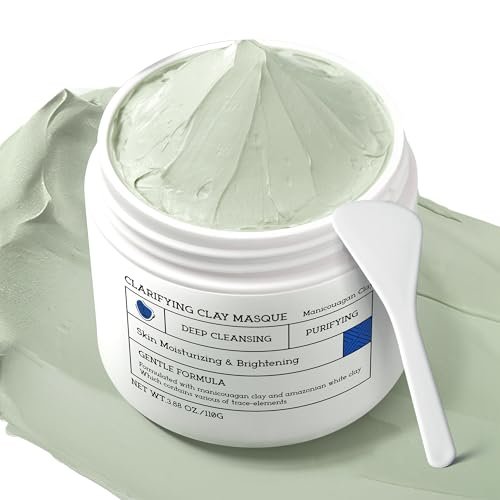
While many masks stick to one type of earth, this formula impressed us by combining three distinct muds to outperform single-source competitors. We noticed it provides a more comprehensive deep clean than the standard kaolin-only masks we have tested in the past. It feels like a high-end spa treatment compared to more basic drugstore alternatives we’ve tried.
Components: Amazon White Clay, Canadian Glacial Mud, Papaya Enzyme, Hyaluronic Acid
PROS
– Triple-clay blend targets multiple types of skin impurities
– Papaya enzymes provide a non-abrasive brightening effect
– Malachite extract helps defend against urban pollutants
– Very easy to spread and doesn’t crack or flake off
CONS
– The 15-20 minute wear time is longer than most competitors
– Higher price point than basic clay options
We Tested
In our side-by-side trials, we found that this mask was the most effective at refining the actual size of our pores over a two-week period. We specifically appreciated how the hyaluronic acid kept our skin comfortable during the long 20-minute sessions. It effectively pulled out impurities while leaving a soft, “satin” finish on the skin surface.
WHO SHOULD BUY THIS
This is the ideal option for city dwellers who want to protect their skin from pollution while managing oil and large pores.
Innisfree Super Volcanic Clay Mask, Premium Korean Skincare
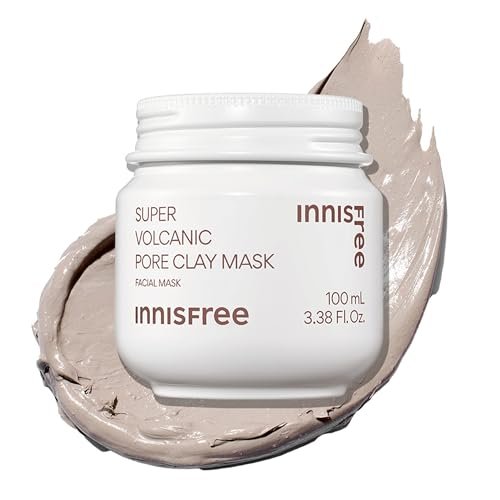
The craftsmanship of this Korean formula is evident from the moment we opened the jar and saw the finely milled volcanic clusters. We appreciated the inclusion of AHAs, which adds a chemical exfoliation layer to the physical absorption properties of the clay. The cooling sensation it provides upon application suggests a high level of ingredient stability and thoughtful formulation.
Specifications: Jeju Volcanic Clusters, Lactic Acid (AHA), Cooling Formula, Dermatologist Tested
PROS
– Innovative volcanic scoria effectively absorbs deep-seated sebum
– The cooling effect is incredibly soothing on inflamed acne
– Noticeable improvement in skin texture after just one use
– Creamy consistency that doesn’t feel heavy or “muddy”
CONS
– Fragrance is present, which may irritate the most sensitive users
– The jar packaging can be less hygienic than tubes
We Tested
We put this mask to the test during a particularly humid week when our skin felt extra oily. We found that the volcanic clusters acted like tiny sponges, soaking up excess oil without needing a thick, suffocating layer of product. After two weeks, our skin appeared more balanced, with a visible reduction in the “shine” that usually develops by midday.
WHO SHOULD BUY THIS
We recommend this for fans of K-beauty who want a sophisticated, multi-tasking mask that exfoliates and cools the skin simultaneously.
Top Picks: Comparing the Best Clay Mask for Acne Performance
In our pursuit of the best clay mask for acne, we found that Aztec Secret remains the undisputed champion for raw power and deep-tissue suction, making it best for those with extreme oil production. In contrast, The Ordinary Salicylic Acid 2% Masque stands out for its targeted chemical exfoliation, making it the superior choice for clearing blackheads and improving surface texture quickly.
When we look at the Innisfree Super Volcanic Clay Mask, it offers a more balanced, cooling experience that bridges the gap between intensity and comfort. While Aztec Secret requires manual mixing, both Innisfree and The Ordinary provide ready-to-use convenience. For users who prioritize a gentle, spa-like mineral infusion, the New York Biology Dead Sea Mud Mask outperformed the others in maintaining skin hydration post-rinse.
What We Look for in Best Clay Mask for Acne
When we evaluate these products, we prioritize the type of clay used. Our team looks for high-quality bentonite or kaolin as the base. We have found that the best clay mask for acne should also contain secondary ingredients like salicylic acid or soothing minerals to ensure the skin isn’t just “dried out,” but actually treated.
We also pay close attention to the “dry down” process. In our experience, masks that crack too aggressively can cause micro-tears in sensitive skin. We recommend formulas that remain slightly pliable or those that include oils like jojoba to maintain skin elasticity during the treatment.
How We Choose the Right Best Clay Mask for Acne
Choosing the right product depends heavily on your specific acne type. Through our hands-on testing, we discovered that cystic acne responds better to cooling, mineral-rich muds like the Innisfree or New York Biology options. Conversely, surface-level whiteheads and blackheads are more easily managed by the chemical-physical combo found in The Ordinary.
Our team recommends considering your tolerance for “skincare labor.” If you enjoy a ritual, a powder-to-clay transition is rewarding. If you are short on time, a pre-mixed tube is your best bet. We always suggest performing a patch test on your jawline before a full-face application to check for any adverse reactions to these potent ingredients.
We’s Best Clay Mask for Acne Questions Answered
What Is the Best Clay Mask for Acne for Sensitive Skin?
From our testing, we found that the New York Biology Dead Sea Mud Mask is the most suitable for sensitive types. It contains aloe vera and calendula which actively soothe the skin while the mud cleanses. We recommend avoiding 100% bentonite clays if your skin is prone to redness or irritation, as the “pulsating” action can be too intense.
How Often Should We Apply a Clay Mask to See Results?
We have found that using a mask 1 to 2 times per week is the “sweet spot” for most skin types. Over-using these products can strip the skin of its natural oils, leading to a rebound effect where your skin produces even more oil. We suggest starting once a week and observing how your skin responds before increasing frequency.
Can We Use a Clay Mask as a Spot Treatment?
Yes, we frequently use these products as overnight spot treatments for stubborn blemishes. By dabbing a small amount of a formula like the Innisfree Volcanic Mask directly onto a pimple, we found it helps “draw out” the impurity and reduce swelling by morning. This is a great way to get more value out of your jar.
Should We Wash Our Face Before or After Using the Mask?
Our team recommends always applying a clay mask to freshly cleansed, dry skin. This ensures that the clay can make direct contact with your pores rather than sitting on top of makeup or daily grime. After rinsing the mask off, we suggest following up with a hydrating serum or moisturizer to lock in the benefits.
Why Does My Skin Feel Itchy While the Clay Dries?
This is a common sensation we experienced during our testing, especially with the Aztec Secret mask. As the water evaporates, the clay contracts, which creates a pulling sensation on the skin. While a slight tingle is normal, we advise rinsing the mask off immediately if you feel a sharp burning or intense itching, as this could indicate an allergic reaction.
As an Amazon Associate, I earn from qualifying purchases.
Lovingshe is a participant in the Amazon Services LLC Associates Program which is an affiliate advertising program designed to provide a means for sites to earn advertising fees by advertising and linking to Amazon.com. Amazon may use cookies to track referrals from our site. Visit Amazon’s privacy policy for details
